Intravitreal Gas Treatment for Retinal Conditions in Sydney

Intravitreal gas is a specialised treatment used in retinal surgery to support healing and restore retinal position. It involves placing a medical-grade gas bubble inside the eye to apply gentle pressure against the retina. At Sydney Retina Clinic & Day Surgery, this procedure is performed by experienced vitreoretinal surgeons using advanced surgical techniques. Intravitreal gas plays a critical role in the management of several serious retinal conditions.


Patients are carefully assessed to ensure this treatment is appropriate and effective for their specific diagnosis.

What is Intravitreal Gas, and How Does it Works?

Intravitreal gas is a temporary gas bubble injected into the vitreous cavity of the eye during or after retinal surgery. The gas bubble floats upward and presses against the retina, helping it remain in the correct position while healing occurs. Over time, the gas is naturally absorbed by the eye and replaced with normal eye fluid. The type of gas used depends on the condition being treated and the required duration of support.


This technique is widely used in modern retinal surgery.

Conditions Treated With Intravitreal Gas Injections

Intravitreal gas is commonly used to treat retinal detachment, macular holes and some cases of retinal tears. It may also be used following vitrectomy surgery to support retinal repair. The gas bubble acts as an internal splint, allowing damaged retinal tissue to heal properly. This treatment is highly effective when combined with precise surgical care.


Your ophthalmologist will explain why intravitreal gas is recommended for your condition.

The Intravitreal Gas Procedure Explained

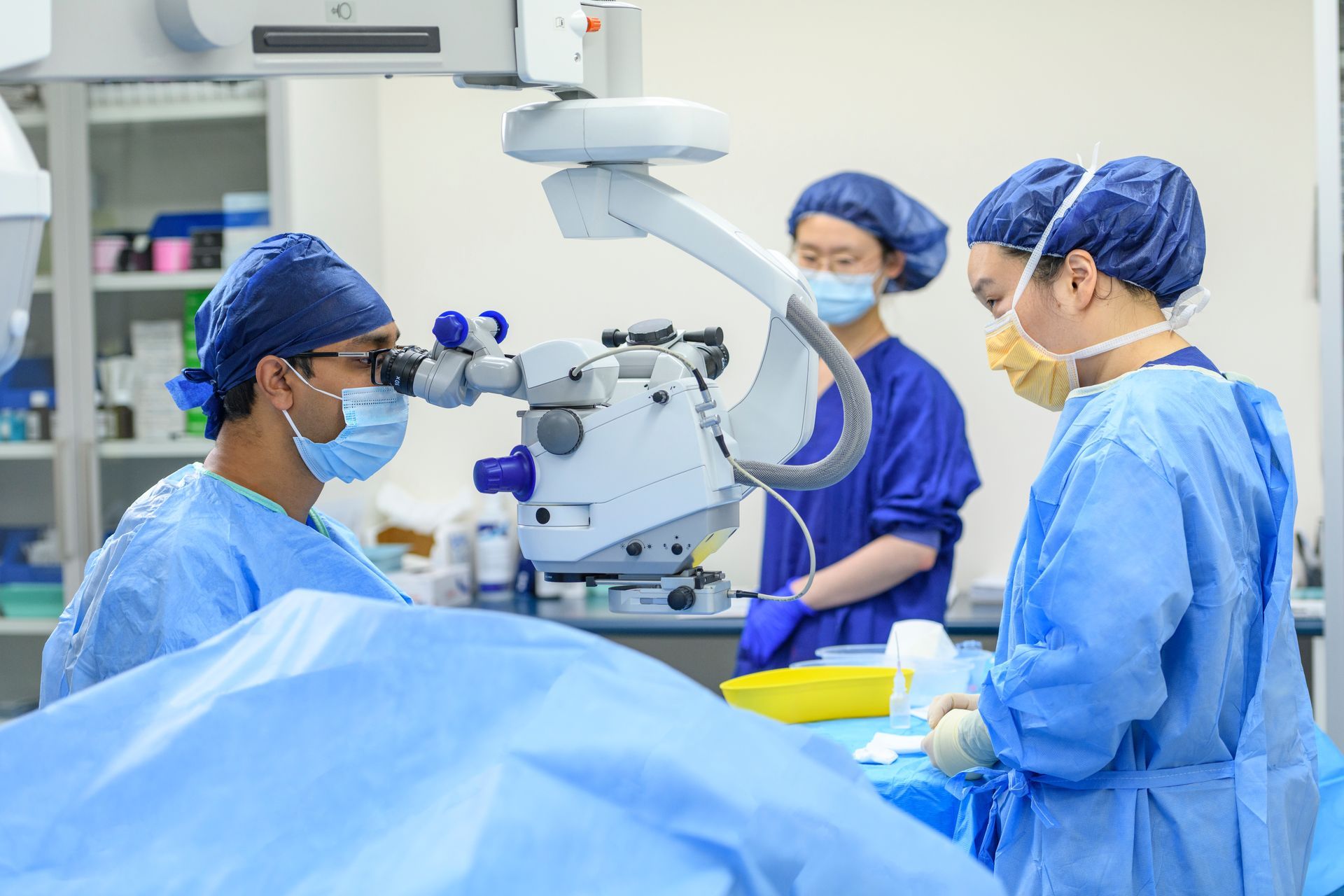
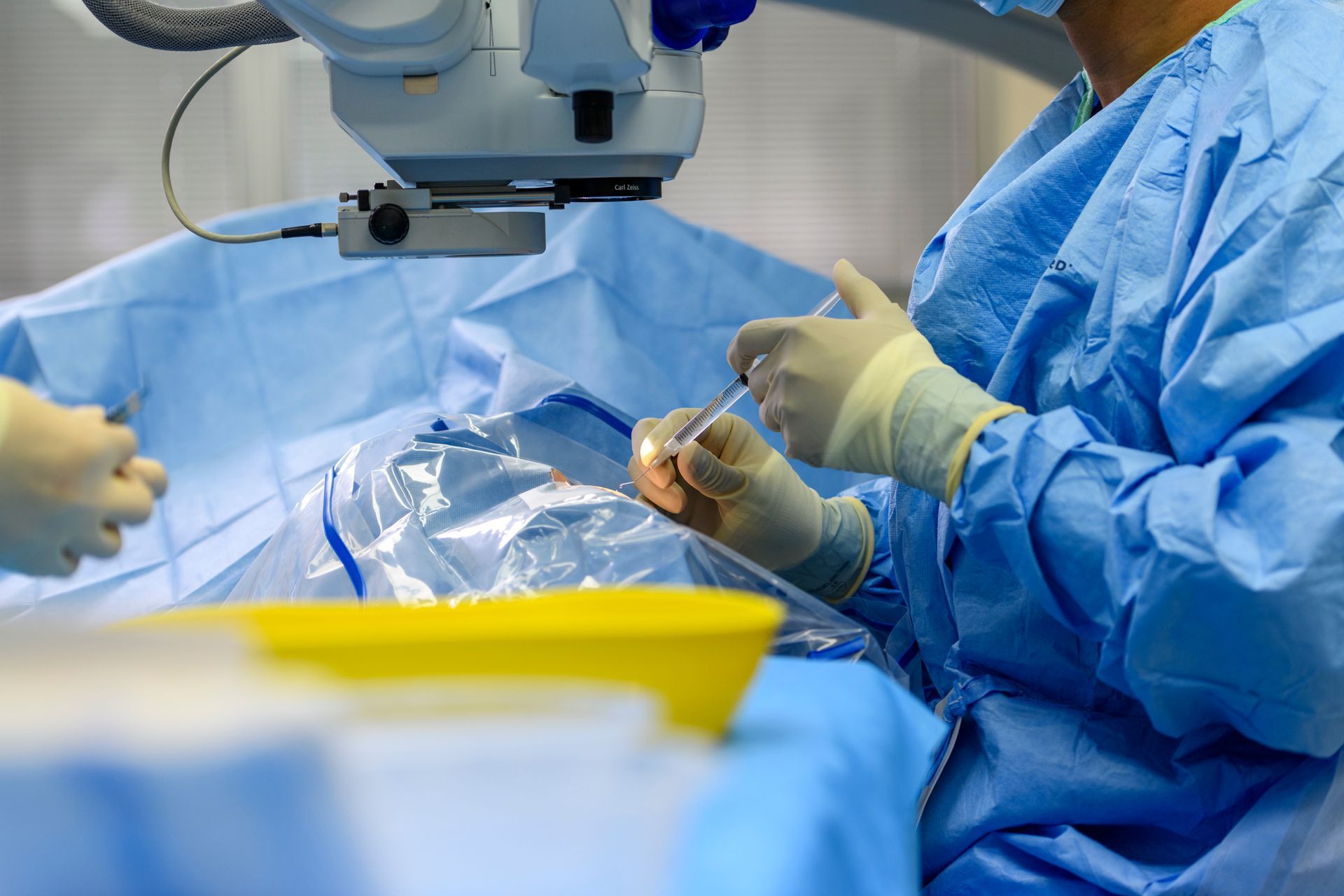
The procedure is typically performed in a controlled surgical environment, often as part of day surgery. Local or general anaesthesia may be used depending on the complexity of the surgery. The gas is injected into the eye using fine instruments under sterile conditions. Patients are closely monitored during and after the procedure to ensure safety and comfort.


Most patients are able to return home the same day.

Recovery and Healing After Intravitreal Gas Treatment

Recovery following intravitreal gas treatment requires careful adherence to post-operative instructions. Patients are often required to maintain specific head positioning to ensure the gas bubble remains in contact with the treated area. Vision will be reduced while the gas bubble is present, gradually improving as it absorbs. Full healing may take several weeks depending on the condition treated.


Regular follow-up appointments are essential during recovery.

Activity Restrictions During Gas Bubble Recovery

Air travel and altitude changes must be avoided while the gas bubble remains in the eye. Certain physical activities may also be restricted. These precautions prevent dangerous increases in eye pressure. Your specialist will advise when normal activities can safely resume.


Following instructions closely helps ensure the best outcome.

Risks and Safety Considerations of Intravitreal Gas

Intravitreal gas is a well-established and safe treatment when performed by experienced retinal surgeons. As with any eye procedure, there are potential risks such as increased eye pressure, infection or cataract progression. Careful monitoring significantly reduces these risks. Patients are provided with clear guidance on symptoms that require urgent review.


Prompt communication with your care team is encouraged if concerns arise.

Why Specialist Care Matters for Intravitreal Gas Treatment

The success of intravitreal gas treatment depends on accurate diagnosis, surgical precision and post-operative care. Sydney Retina Clinic & Day Surgery provides comprehensive retinal services under one roof, including diagnostics, surgery and follow-up. Our skilled ophthalmologists have extensive experience managing complex retinal conditions. This integrated approach supports safe treatment and optimal recovery.


Access to on-site day surgery ensures timely care.

When Intravitreal Gas Is Recommended by Your Ophthalmologist

Intravitreal gas is recommended when internal retinal support is required to achieve healing. Your ophthalmologist will consider the type, location and severity of the retinal condition before recommending treatment. Other factors such as lifestyle, travel plans and overall eye health are also taken into account. Clear explanations are provided so patients understand the purpose and expectations of treatment.


Shared decision-making is an important part of care.

Intravitreal Gas Frequently Asked Questions

  • How long does the gas bubble stay in the eye?

    The gas bubble may remain for several days to several weeks depending on the type of gas used.

  • Will I be able to see while the gas bubble is present?

    Vision will be blurred or limited while the bubble remains, but it gradually improves as the gas absorbs.

  • Can I travel after intravitreal gas treatment?

    Air travel and high-altitude locations must be avoided until the gas bubble has fully absorbed.

  • Is intravitreal gas painful?

    Most patients experience mild discomfort rather than pain, which is usually well managed with medication.

To learn more about intravitreal gas treatment or to book a consultation with a retinal specialist, contact 02 9221 3755 today for expert advice and personalised care.