Diabetic Retinopathy
Diabetic retinopathy is an eye condition caused by high blood sugar levels damaging the blood vessels in the retina. These vessels may swell, leak, close off, or grow abnormally, leading to significant vision loss if untreated.
Diabetic Retinopathy Stages
There are two main stages of the disease. Non‑proliferative diabetic retinopathy (NPDR) is the early stage, where tiny blood vessels leak fluid, causing retinal swelling. If the macula swells, this is called macular oedema. It is the most common cause of vision loss in people with diabetes. NPDR can also involve blocked vessels (macular ischemia) and deposits called exudates, which further impair vision. Proliferative diabetic retinopathy (PDR) is the advanced stage. Abnormal new vessels grow, called neovascularization. These fragile vessels often bleed into the eye, causing floaters or even complete vision loss in severe cases. Scar tissue may also form, which can lead to problems of the macula or a retinal detachment.
Symptoms of Diabetic Retinopathy
Diabetic retinopathy often develops silently, with no noticeable symptoms in the early stages. As the disease progresses, people may experience blurry vision, floaters, poor night vision, faded colours, or vision loss.
Causes and Risk Factors for Diabetic Retinopathy
The primary cause of diabetic retinopathy is prolonged high blood sugar levels associated with diabetes. Poor blood sugar control over time increases the risk of retinal damage. High blood pressure and high cholesterol further increase the likelihood of developing diabetic eye disease. The longer a person has diabetes, the greater their risk of developing diabetic retinopathy. Pregnancy and kidney disease can also increase the risk and severity of diabetic retinopathy.
Diagnosis and Eye Testing
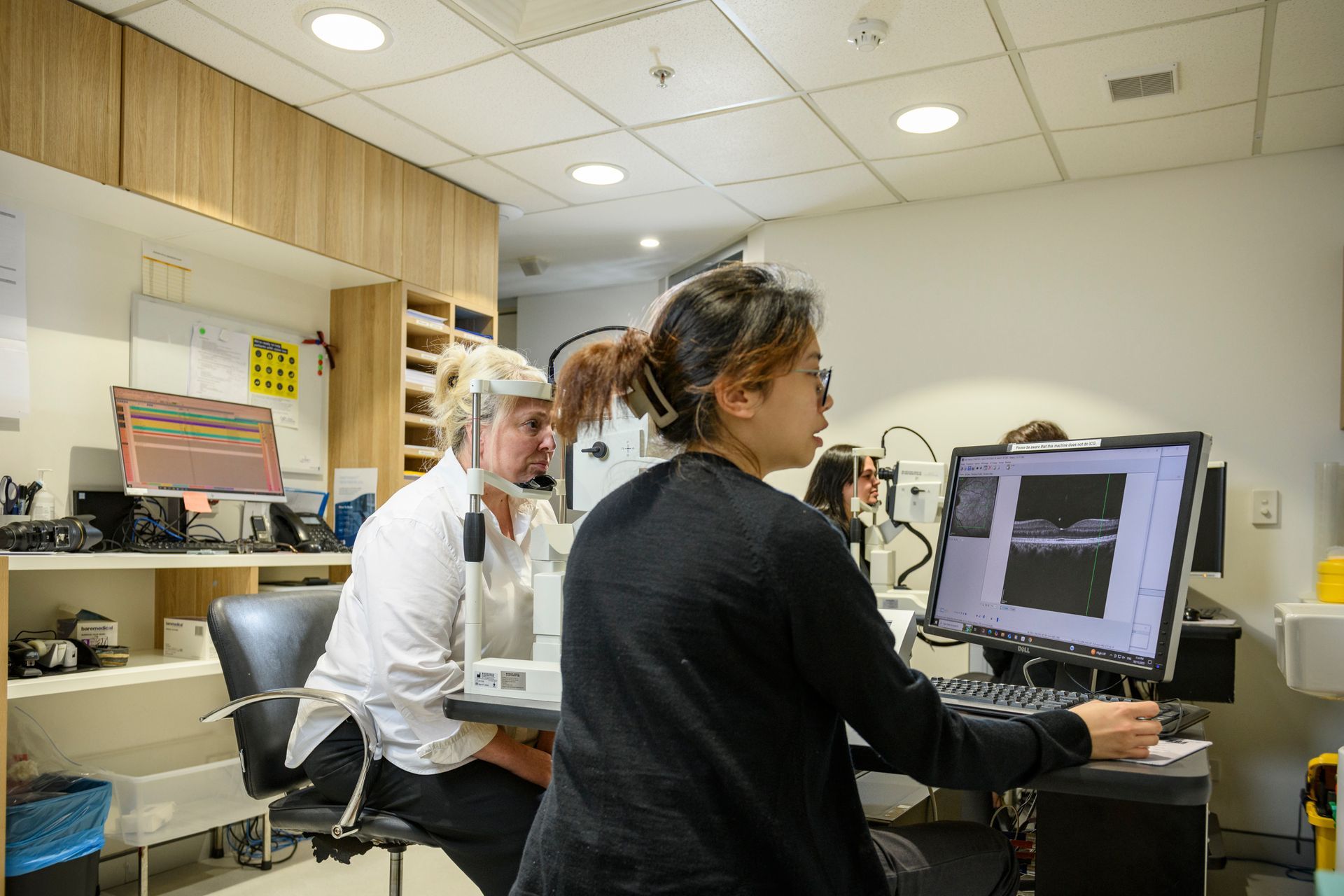
Diagnosing diabetic retinopathy involves a comprehensive eye examination and detailed imaging of the retina. Advanced diagnostic tools allow our specialists to detect early retinal changes before symptoms occur. Retinal photography and scans help monitor disease progression and guide treatment decisions. Early diagnosis allows for timely intervention and improved long-term outcomes.

Diabetic Retinopathy Treatment Options
Treatment depends on the severity and may include strict control of blood sugar and blood pressure through a healthy diet and medications, anti‑VEGF or steroid injections into the eye to reduce swelling, laser surgery to seal leaking vessels, or vitrectomy surgery in advanced cases. Early detection through regular eye exams is essential to protect vision.
Diabetic Retinopathy Frequently Asked Questions
How often should I have my eyes checked if I have diabetes?
Most people with diabetes should have a comprehensive eye examination at least once a year, or more often if recommended by their ophthalmologist.
Can diabetic retinopathy be reversed?
Diabetic retinopathy cannot usually be reversed, but early treatment can slow progression and prevent further vision loss.
Does diabetic retinopathy always cause vision loss?
Not always. Many people maintain good vision with early detection, regular monitoring and appropriate treatment.
Is treatment for diabetic retinopathy painful?
Most treatments are well tolerated and performed with numbing medication to minimise discomfort.
If you have diabetes or have noticed changes in your vision, call 02 9233 5671 to book a comprehensive diabetic eye assessment with our experienced retinal specialists.