Glaucoma
Glaucoma is a serious eye condition that can cause permanent vision loss if it is not detected and managed early. It refers to a group of eye diseases that damage the optic nerve, most commonly due to increased pressure inside the eye. Because vision loss from glaucoma is usually gradual and painless, regular eye examinations are essential for early detection.
Symptoms and Risk Factors
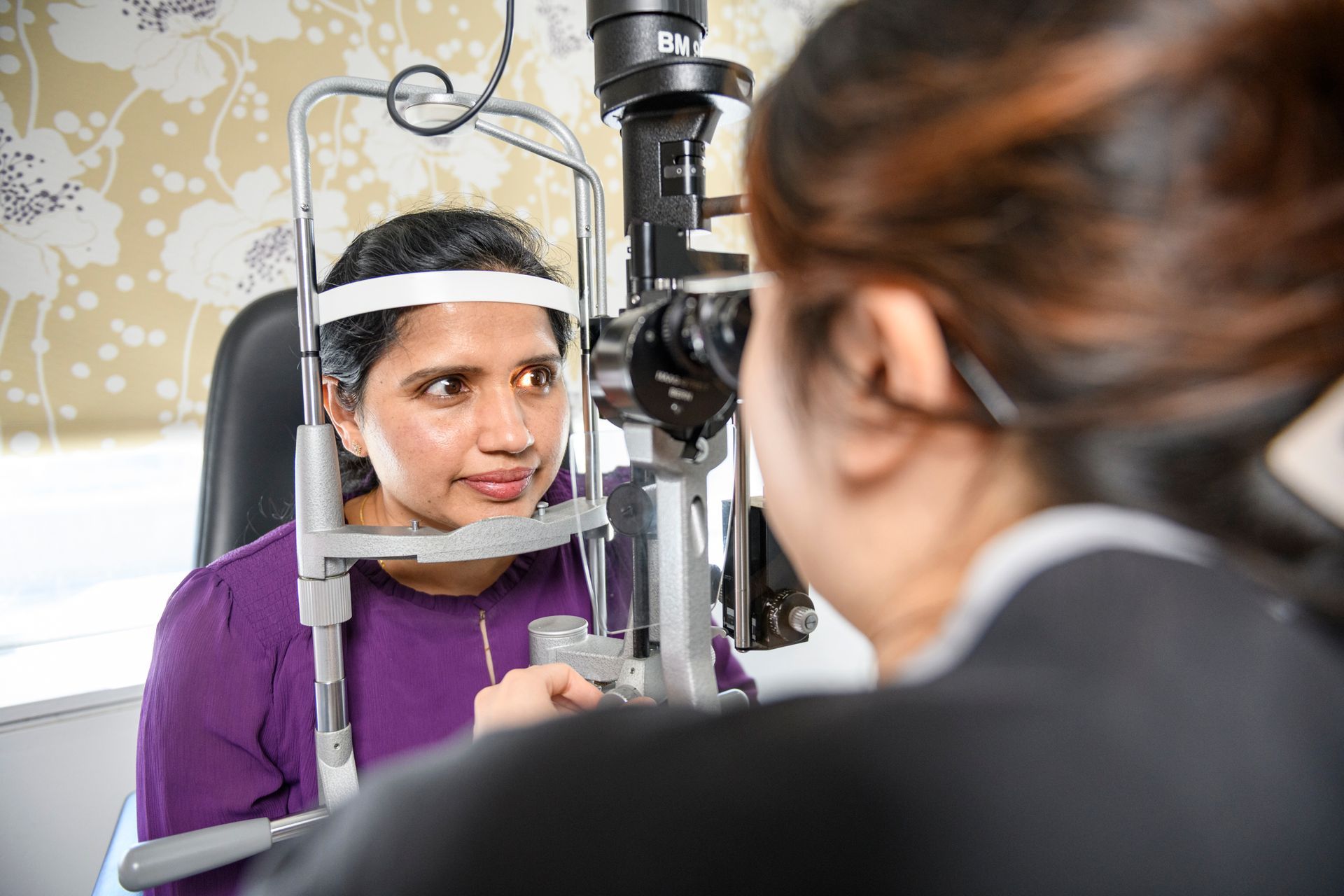
In the early stages, glaucoma often causes no noticeable symptoms. As the condition progresses, people may notice a gradual loss of side vision or blind spots. In more advanced cases, symptoms may include cloudy or blurred vision, eye pain, headaches or halos around lights. Sudden severe symptoms can occur in acute forms of glaucoma and require urgent treatment.
The most common cause of glaucoma is a build-up of fluid pressure inside the eye due to poor drainage. Other contributing factors include reduced blood flow to the optic nerve, nerve weakness and genetic predisposition. Risk increases with age, particularly over 60, and people with a family history of glaucoma are at higher risk. Conditions such as diabetes, high blood pressure and previous eye injury can also increase the likelihood of developing glaucoma.
Glaucoma Diagnosis
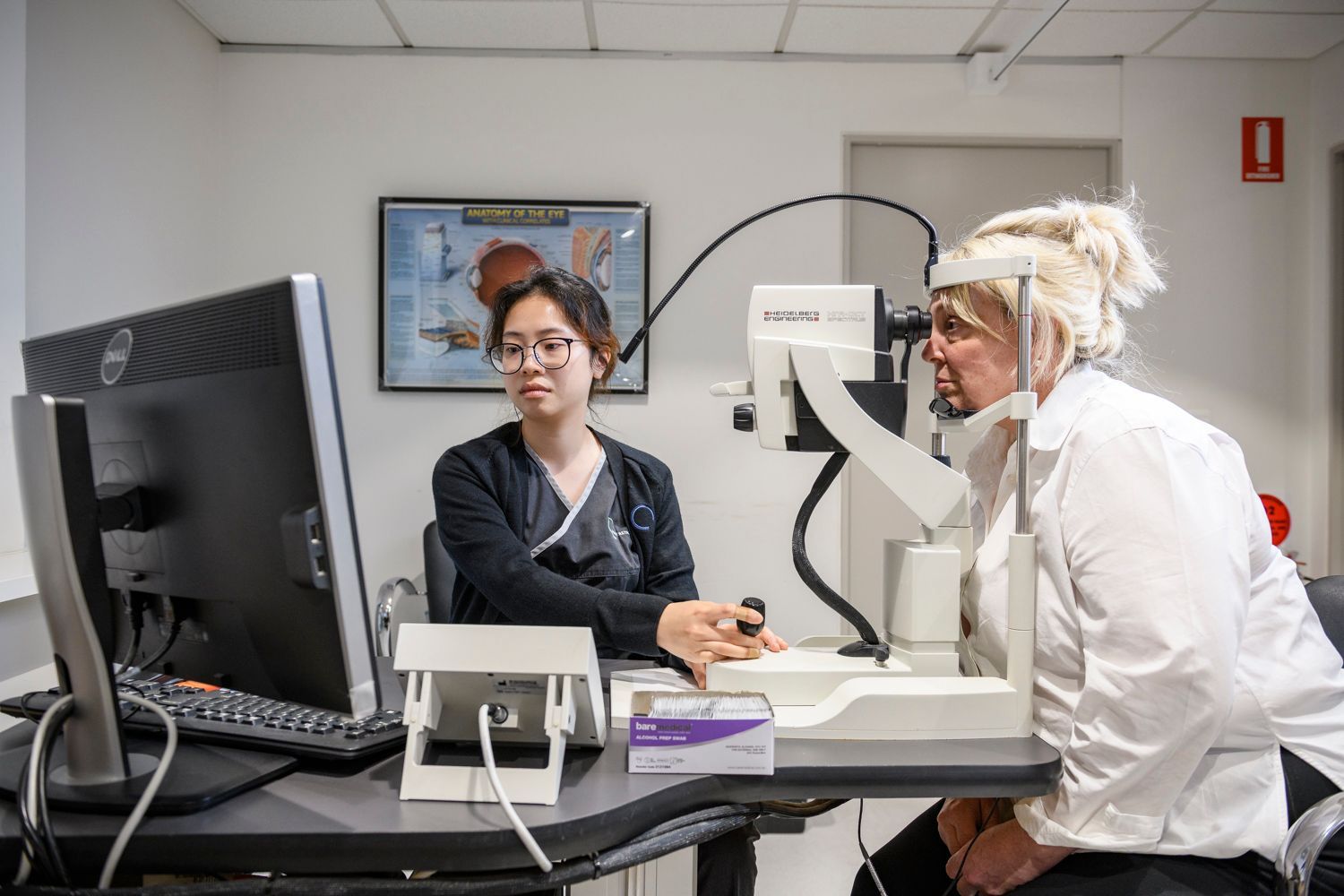
Glaucoma diagnosis involves a series of tests that assess eye pressure, optic nerve health and visual function. These may include intraocular pressure measurements, visual field testing and detailed optic nerve imaging. Optical Coherence Tomography is often used to detect early nerve damage before vision loss occurs. Regular monitoring allows subtle changes to be detected early.
Treatment Options
Treatment for glaucoma focuses on lowering eye pressure to protect the optic nerve from further damage. Eye drops are commonly prescribed as first-line treatment to reduce fluid production or improve drainage. Laser procedures may be recommended when eye drops are not sufficient or well tolerated. In some cases, glaucoma surgery is required to create a new drainage pathway.
Glaucoma is a lifelong condition that requires regular follow-up and ongoing management. Even when eye pressure is controlled, routine reviews are essential to monitor optic nerve health.
Glaucoma Frequently Asked Questions
Can glaucoma be cured?
Glaucoma cannot be cured, but it can usually be controlled with ongoing treatment and monitoring.
Does glaucoma always cause high eye pressure?
No, some forms of glaucoma occur with normal eye pressure, which is why comprehensive eye exams are important.
Will glaucoma make me blind?
If detected early and treated properly, most people with glaucoma do not go blind.
How often should glaucoma be checked?
This depends on individual risk and disease severity, but regular follow-up appointments are essential.
If you are concerned about glaucoma or have been advised you are at risk, contact 02 9233 5671 to book a comprehensive eye examination with our experienced ophthalmology team.