Comprehensive Eye Diagnostics
Accurate diagnosis is the foundation of effective eye care and long-term vision protection. We offer a wide range of specialised eye diagnostics on site to assess, monitor and diagnose eye conditions with precision. Our advanced testing allows our ophthalmologists to gain detailed insight into eye health and function.
OCT
Optical Coherence Tomography (OCT) is a scan used to check the macula and optic nerve. This scan is done to help diagnose conditions such as macular degeneration, diabetic retinopathy, epiretinal membrane, macular hole and glaucoma.
OPTOS
A visual field test measures side vision and detects blind spots. It is commonly used to monitor conditions such as glaucoma. Changes in peripheral vision can indicate early optic nerve damage.
Fluorescein and ICG
Fluorescein and Indocyanine Green (ICG) are dyes which are injected into the bloodstream. They are used for eye imaging tests to photograph retinal and choroidal blood vessels. Fluorescein highlights retinal vessels, and ICG goes deeper into the choroid. These dye tests are used to help diagnose leakages or blockages in blood vessels inside the eye for conditions such as diabetic retinopathy, macular degeneration, or retinal vein occlusions.
Biometry
A Biometry scan is used to measure the length and curvature of the eye in order to calculate the correct power of an intraocular lens (IOL) in preparation for cataract surgery. It is usually done in conjunction with an Autorefraction test, which measures how the eye focuses light.
Visual Field test
Optical coherence tomography produces high-resolution cross-sectional images of the retina. It is widely used to detect macular disease, retinal swelling and early glaucoma damage. OCT allows precise monitoring over time.
MAIA
A Macular Integrity Assessment (MAIA) is a test used to determine the light sensitivity of the macula. It is often used to determine progression or worsening of an epiretinal membrane, or to test if light sensitivity has improved after epiretinal membrane surgery.
B-Scan Ultrasound
A B-Scan Ultrasound is used to create an ultrasound image of the internal structure of the eye. It is used when there is limited visibility into the eye with other scans such as OCT and OPTOS due to, for example, a vitreous haemorrhage. It is used to help diagnose retinal tears and detachments.
Argon Laser
Argon Laser is performed using a special contact lens and a targeted laser. It is used to treat conditions such as retinal tears and holes by using focused laser retinopexy. It is also used to help manage diabetic retinopathy with pan-retinal photocoagulation.
YAG laser
A YAG laser capsulotomy can be performed months or years after cataract surgery if the natural lens capsule has thickened, causing blurry vision. It is used to create a clear opening for light to pass through the artificial lens.
Slit Lamp
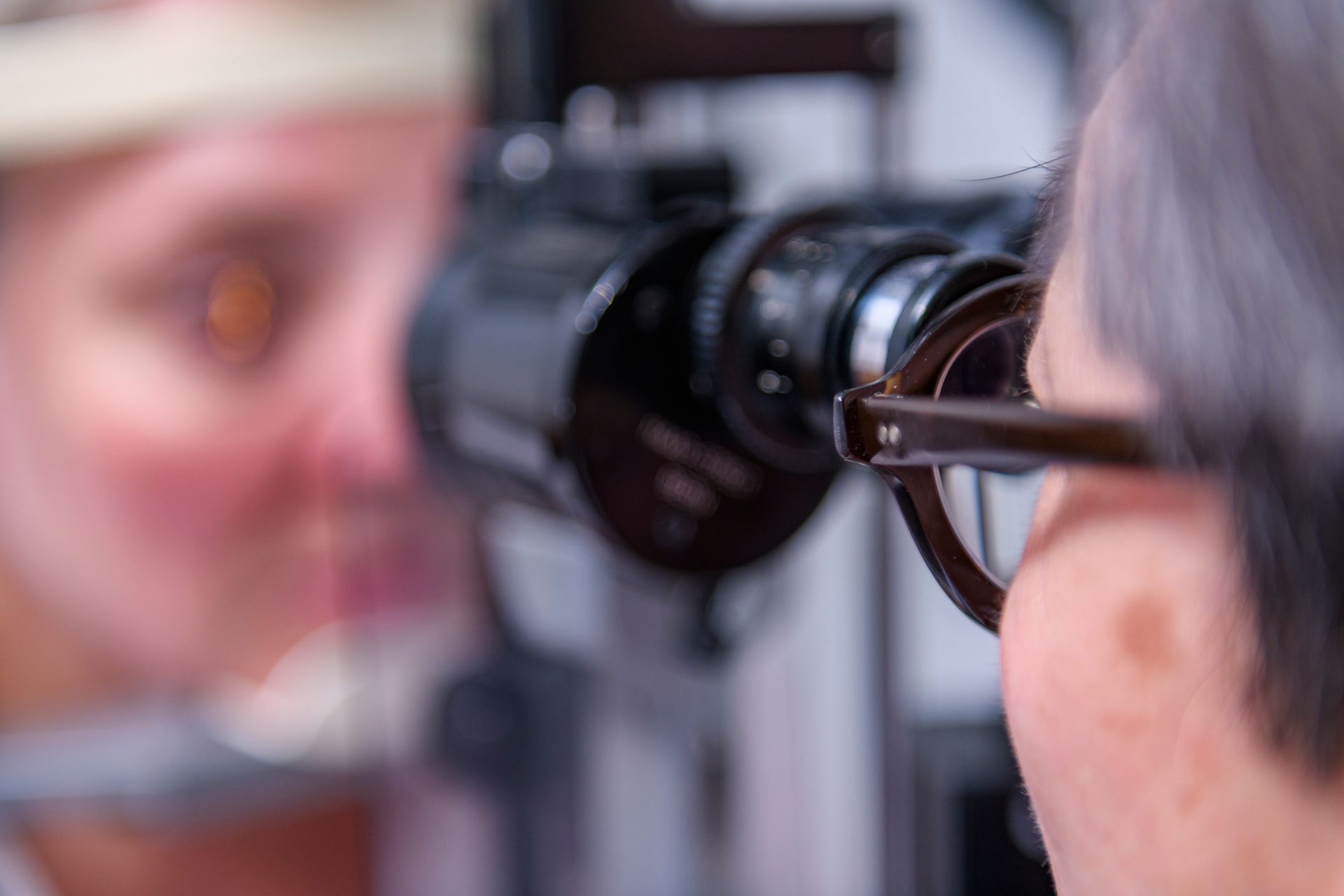
A slit lamp microscope examines the front and back structures of the eye. It allows detailed assessment of the cornea, lens and retina. This test helps identify inflammation, cataracts and retinal abnormalities.
How Diagnostic Testing Supports Accurate Treatment Planning
Accurate diagnostic results allow ophthalmologists to develop targeted treatment plans. Testing helps determine disease severity, progression and response to treatment. Ongoing diagnostics are essential for monitoring chronic eye conditions. This approach ensures treatment remains effective over time.
Diagnostics Frequently Asked Questions
Are eye diagnostic tests painful?
Most eye diagnostic tests are painless and well tolerated, with minimal discomfort.
How long do diagnostic appointments take?
Appointment length varies depending on the tests required, but most are completed within one visit.
How often should eye diagnostics be performed?
The frequency depends on your eye condition, risk factors and specialist recommendations.
To arrange comprehensive eye diagnostics or to discuss concerns about your vision, contact 02 9233 5671 today to book an appointment with our specialist ophthalmology team.