Cataracts
A cataract occurs when the eye’s natural lens becomes cloudy, making vision gradually blurred or dull. Most cataracts are age‑related and develop slowly over many years. They often affect both eyes, though one may be worse. Early cataracts may cause little to no noticeable change in vision and are often detected during routine eye checks.
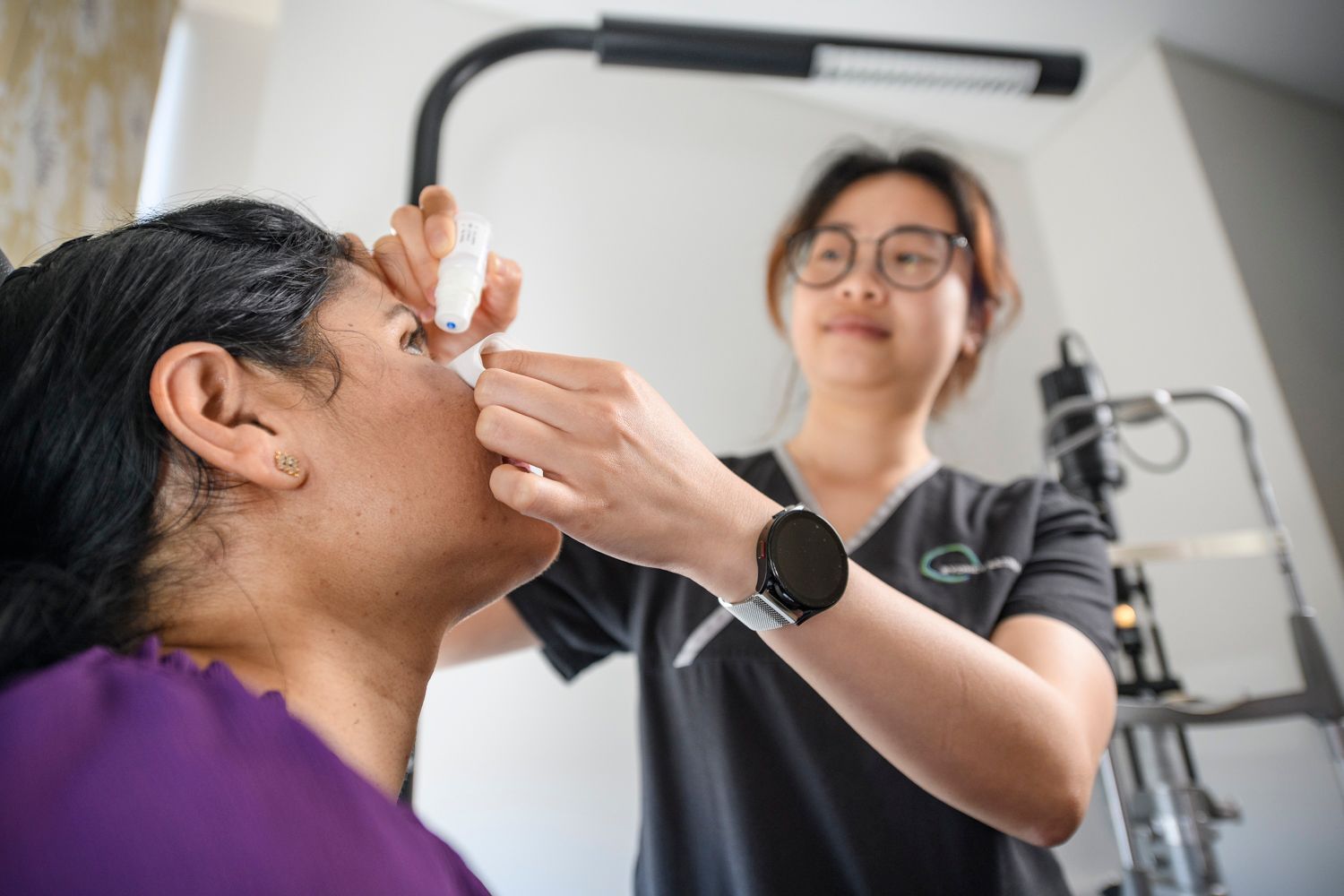
Cataract Symptoms
Cataract symptoms usually worsen slowly over time. Common symptoms include glare or sensitivity to bright lights, difficulty seeing at night, faded colour vision, halos around lights, and vision that is not improved with glasses.
Cataract Treatment
There are no drops or medications that can treat cataracts. The only effective treatment is surgery, where the cloudy lens is removed and replaced with a clear artificial intraocular lens (IOL). Cataract surgery is a quick, routine day procedure, which usually takes 15–20 minutes. Most people experience a significant improvement in vision, however pre‑existing eye conditions may affect the final vision outcome.

Surgery Preparation
Before surgery, measurements of the eye are taken to select the most suitable lens. On the day, the eye is numbed, and surgery is performed under local anaesthetic with light sedation. After surgery, patients go home the same day and follow a short recovery plan. Follow‑up visits occur at one day, one week, and one month to monitor healing and vision.
Cataracts Frequently Asked Questions
How quickly do cataracts develop?
Cataracts usually develop slowly over many years, and symptoms may not be noticeable in the early stages.
Can cataracts be prevented?
Cataracts cannot always be prevented, but regular eye checks, managing health conditions and protecting eyes from UV light may help reduce risk.
Is cataract surgery painful?
Cataract surgery is not painful, as the eye is numbed with anaesthetic. Most patients feel minimal discomfort during the procedure.
Will I still need glasses after cataract surgery?
Many patients still require glasses after surgery, particularly for reading, depending on the type of lens used and individual vision needs.
If you are experiencing changes in your vision or have been diagnosed with cataracts, contact Sydney Retina Clinic & Day Surgery to book a comprehensive cataract assessment with our experienced eye specialists.