
Central Serous Retinopathy
Central Serous Chorioretinopathy (CSR) is a condition where fluid builds up beneath the retina, creating a blister that affects the macula. It most commonly affects adults aged 20–50 and occurs more often in men. The exact cause is often unknown, but CSR has been linked to stress, steroid use, pregnancy, and certain vascular conditions. It is thought to result from dysfunction of the retinal pigment epithelium (RPE), which normally prevents fluid from leaking under the retina.
Symptoms and Risk Factors
Symptoms may include blurred or distorted vision, reduced colour and contrast, objects appearing smaller than normal, and mild vision loss. Diagnosis is made through a detailed retinal examination and imaging tests.
The exact cause of central serous retinopathy is not fully understood, but stress is believed to play a significant role. Elevated stress hormones can affect the blood vessels beneath the retina, leading to fluid leakage. Use of corticosteroid medications, including tablets, inhalers or topical creams, is a known risk factor. The condition is more common in men aged between 30 and 50. High blood pressure and sleep disorders may also increase risk.
Diagnosis
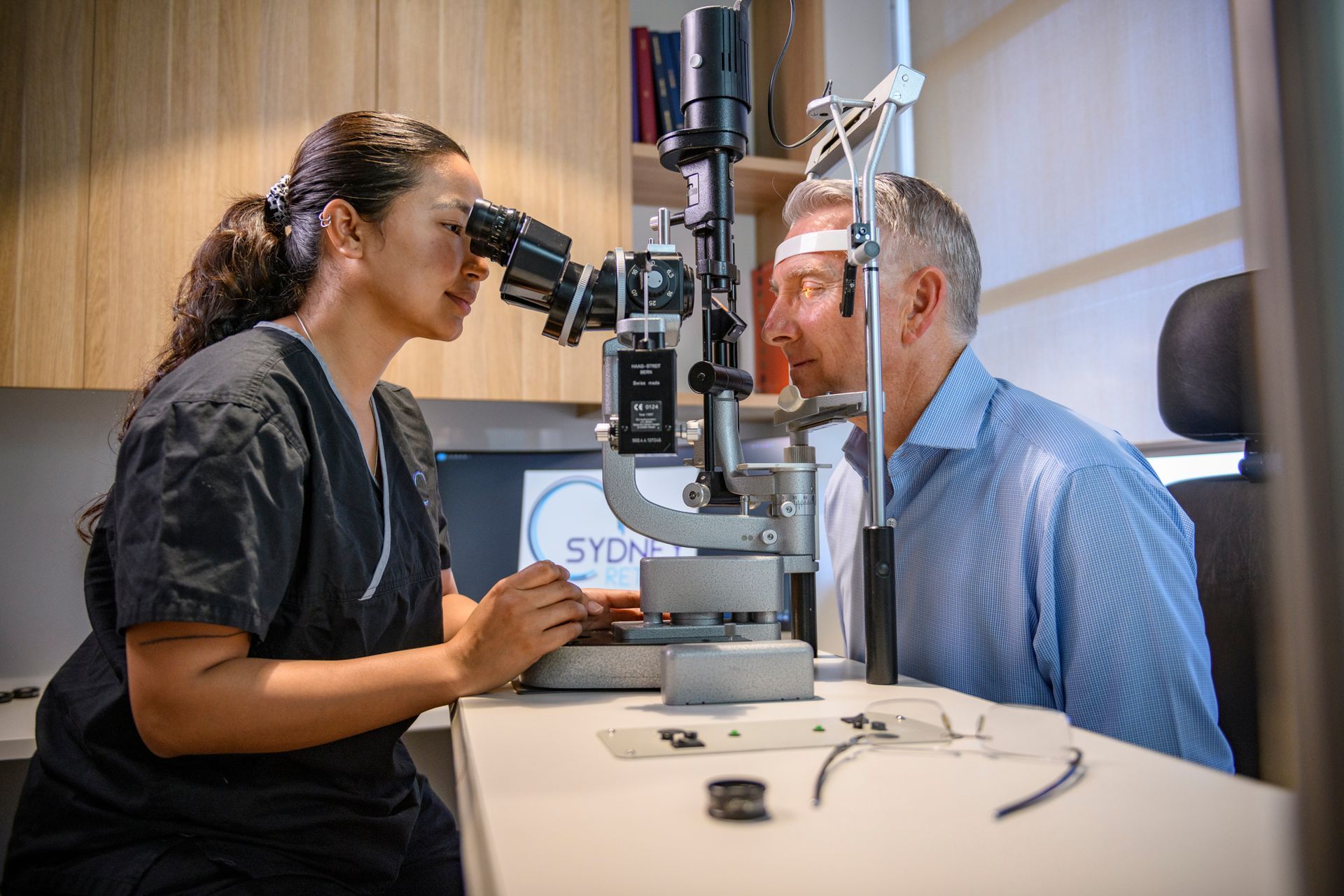
Diagnosis involves a comprehensive eye examination and specialised retinal imaging. Advanced scans allow specialists to detect fluid beneath the macula and confirm the diagnosis. Imaging also helps determine whether the condition is acute or chronic. Regular monitoring is important to track changes and guide treatment decisions.

Central Serous Retinopathy Treatment Options
Most cases resolve naturally within six months, often with lifestyle adjustments such as a healthy diet, regular exercise, and reduced stress. However, CSR can recur. In persistent cases, treatment options may include laser therapy or photodynamic therapy, depending on the location and severity of the leakage.
Central Serous Retinopathy Frequently Asked Questions
Can central serous retinopathy resolve without treatment?
Yes, many acute cases resolve on their own within a few months with gradual improvement in vision.
Is central serous retinopathy related to stress?
Stress is considered a major contributing factor and may increase the risk of developing the condition.
Can central serous retinopathy come back?
Yes, recurrence is possible, particularly in people with ongoing risk factors such as stress or steroid use.
Will central serous retinopathy cause permanent vision loss?
Most people recover well, but chronic or untreated cases can lead to lasting visual changes.
If you are experiencing sudden changes in your central vision, call 02 9233 5671 to arrange a comprehensive retinal assessment with our experienced specialists.